Negative space.
Proportionate to the love we have for people, animals, places and objects is the loss and the grief that we feel when they are no more. I look at this relationship between what is present and what is no longer, using metal plates and the process of aquatint to create high-contrast abstract and figurative prints. Play with different objects and subjects helps me to explore different aspects of grief and the negative space of the places and spaces we inhabit.
The investigation is both formal and conceptual, the placement of shapes in the confines of the plate size and the shape as well as the depth of bite the etchant creates. The chaos of working with aluminium, more variable than copper or zinc, means the outcome is only partially known, like with cooking, I vary the recipe for each plate and construction of the image evolves in realtime. I often choose to use sharpies and pencils because these tools lend a pragmatic and loose aesthetic, textured and true, to the intimate and uncontrollable nature of grief.
Shown in the exhibition In the Spaces that Remain at Tiliqua Tiliqua, Sydney were selected works alongside selected works by Patricia Agus and Tom Simmo;
In The Spaces That Remain brings together three printmakers whose practices explore the built environment as a site where memory, identity, and social structures become embedded in space. Through abstraction, repetition, and the considered use of negative space, the exhibition examines architecture not only as physical form, but as a record of the lives, histories, and divisions it contains.
Repeated patterns expose the anonymity and scale of contemporary housing developments, where standardisation can diminish a sense of individuality and belonging. Elsewhere, negative space becomes a visual expression of absence, reflecting the emotional traces left within homes after loss and the ways spaces continue to hold memory. This exhibition also considers the inequalities embedded in rapidly expanding cities, where new developments create visible and invisible boundaries between neighbouring communities. - Patricia Agus.
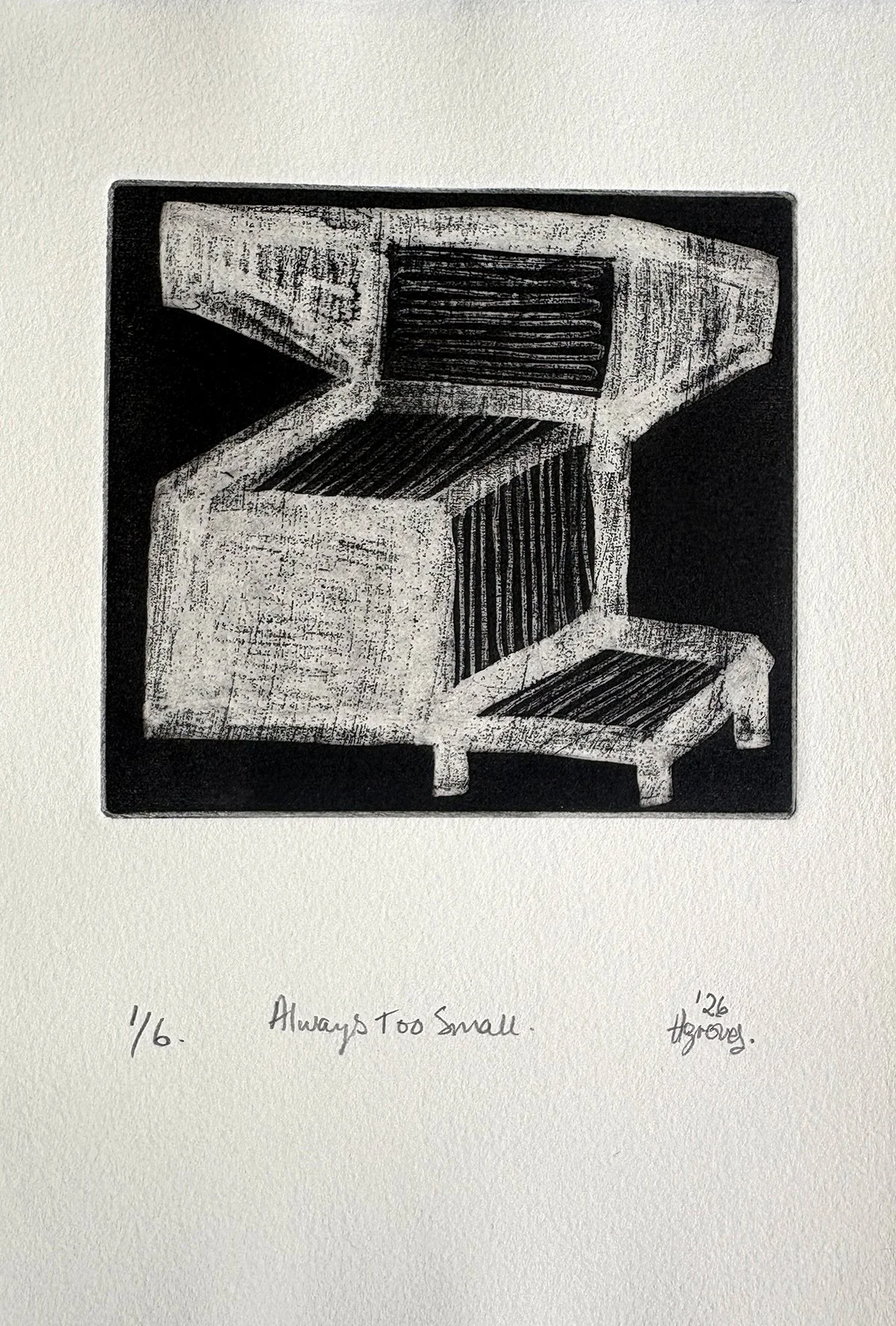
Always too small. 2026, aquatint edition of 6 on Hahnemühle©
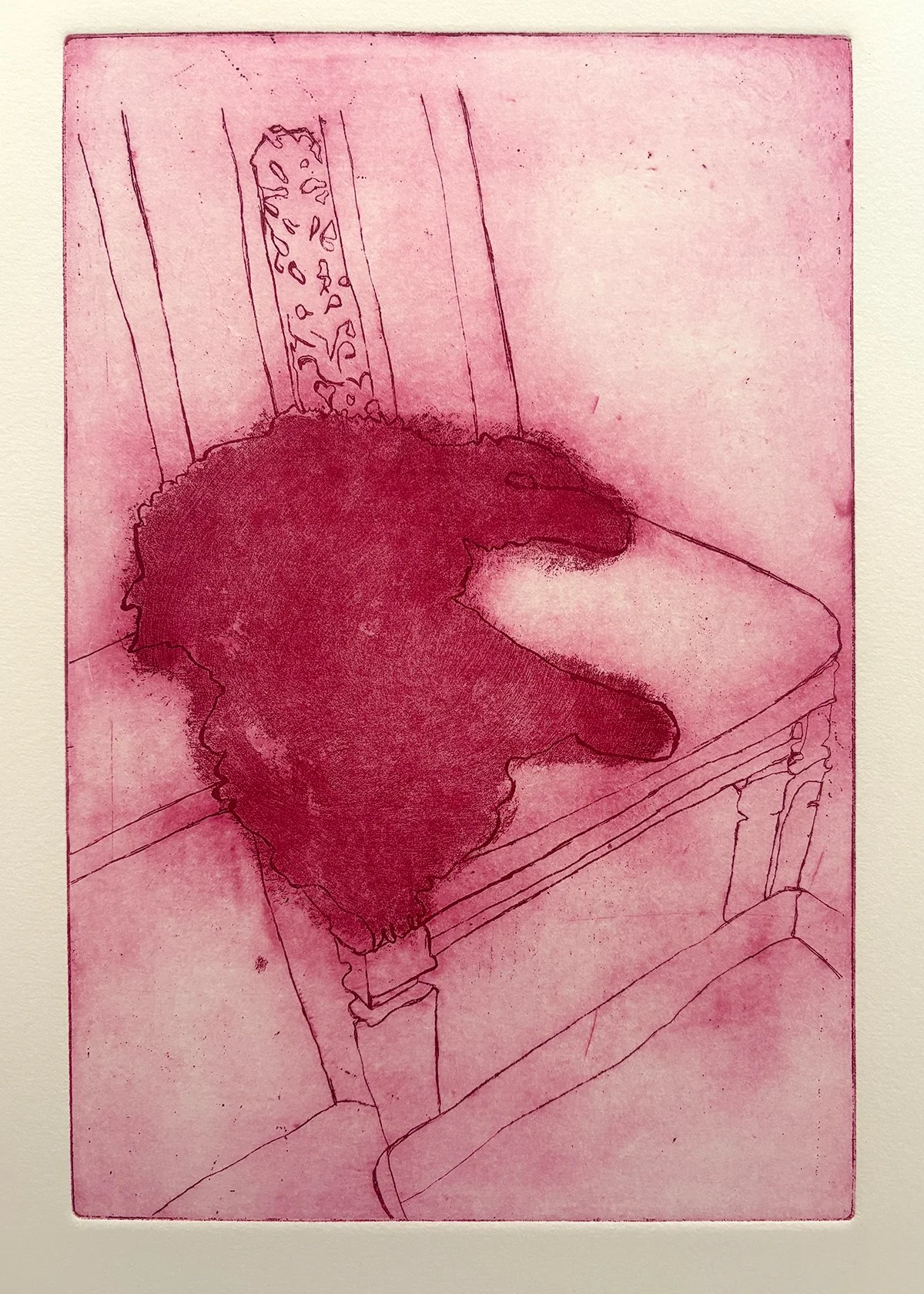
Scratched 2025, aquatint etching edition of 4 on Hahnemühle©
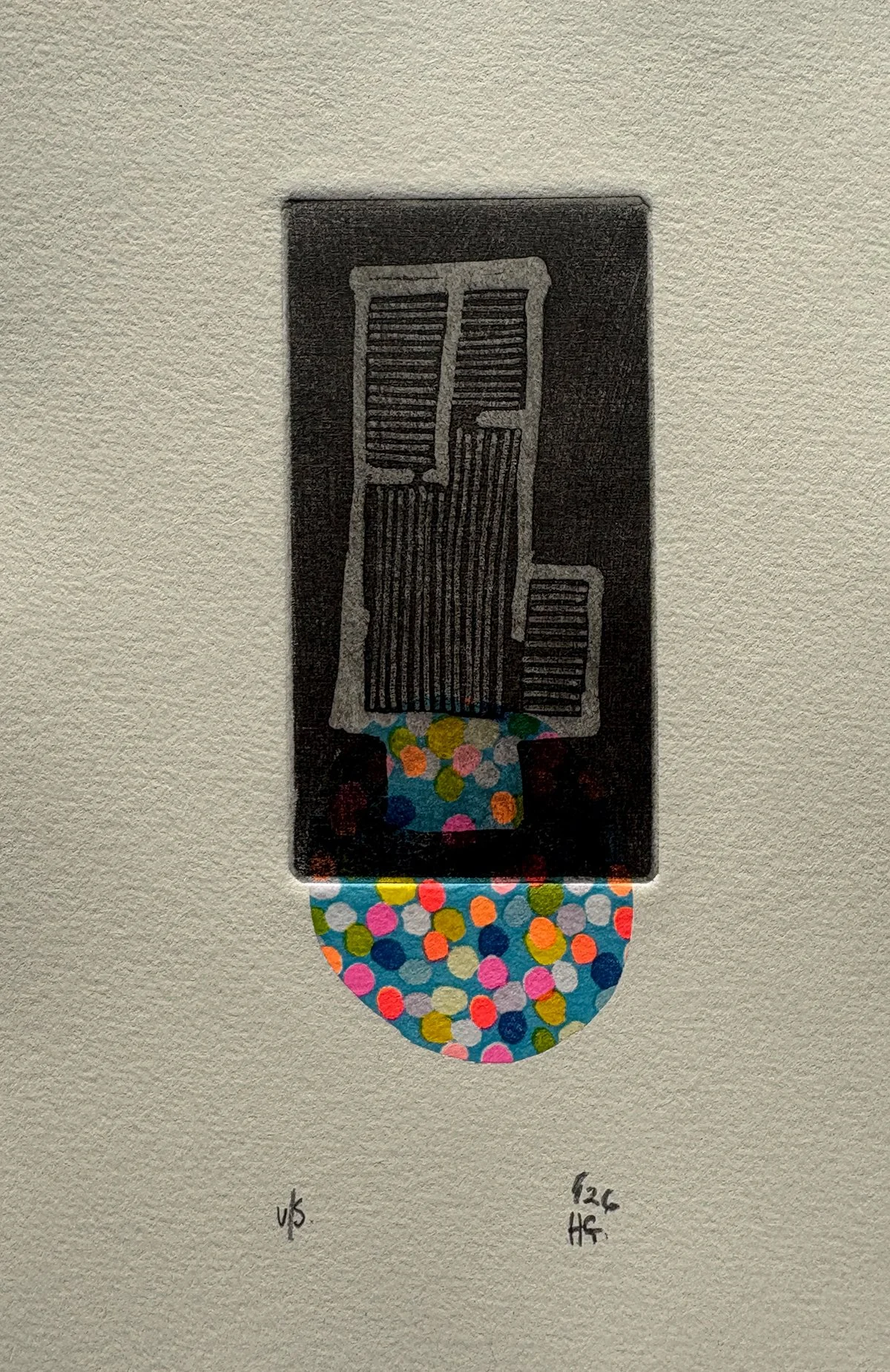
Untitled 1# 2026, aquatint/chine-collé unique state on Hahnemühle©
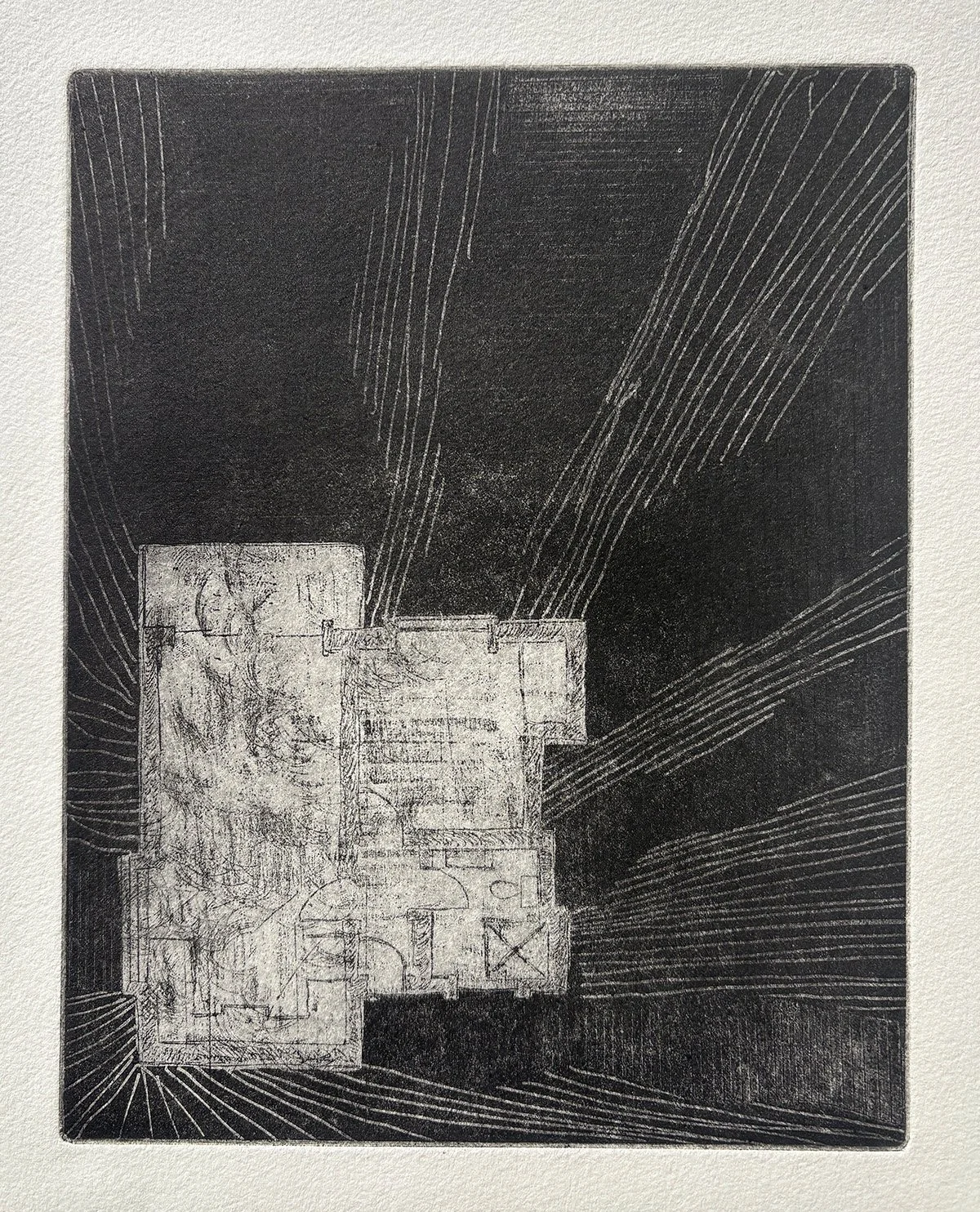
Best laid plans. 2026, aquatint edition of 4 on Hahnemühle©
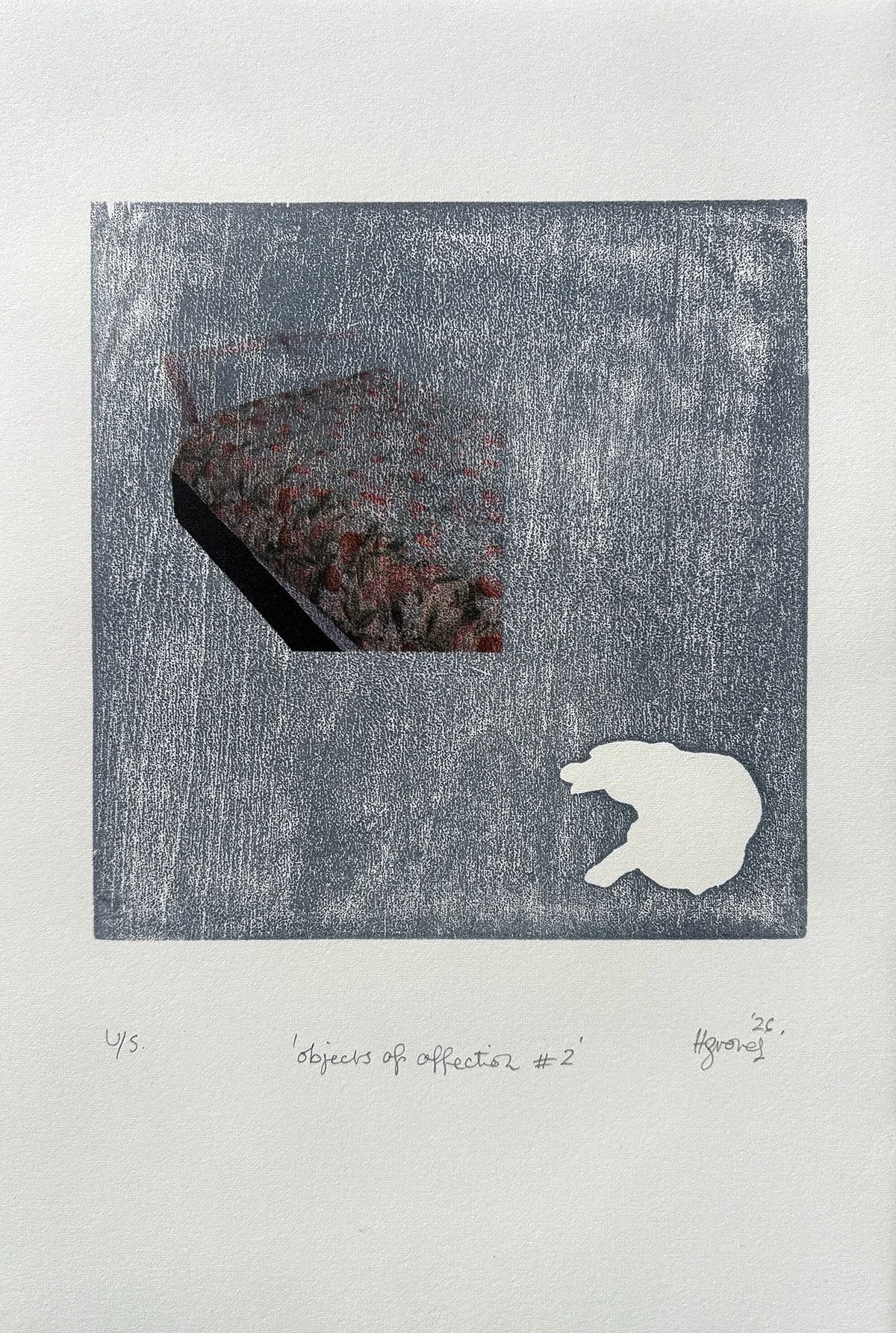
Objects of affection #2 2026, woodcut/image transfer unique state on Arches©
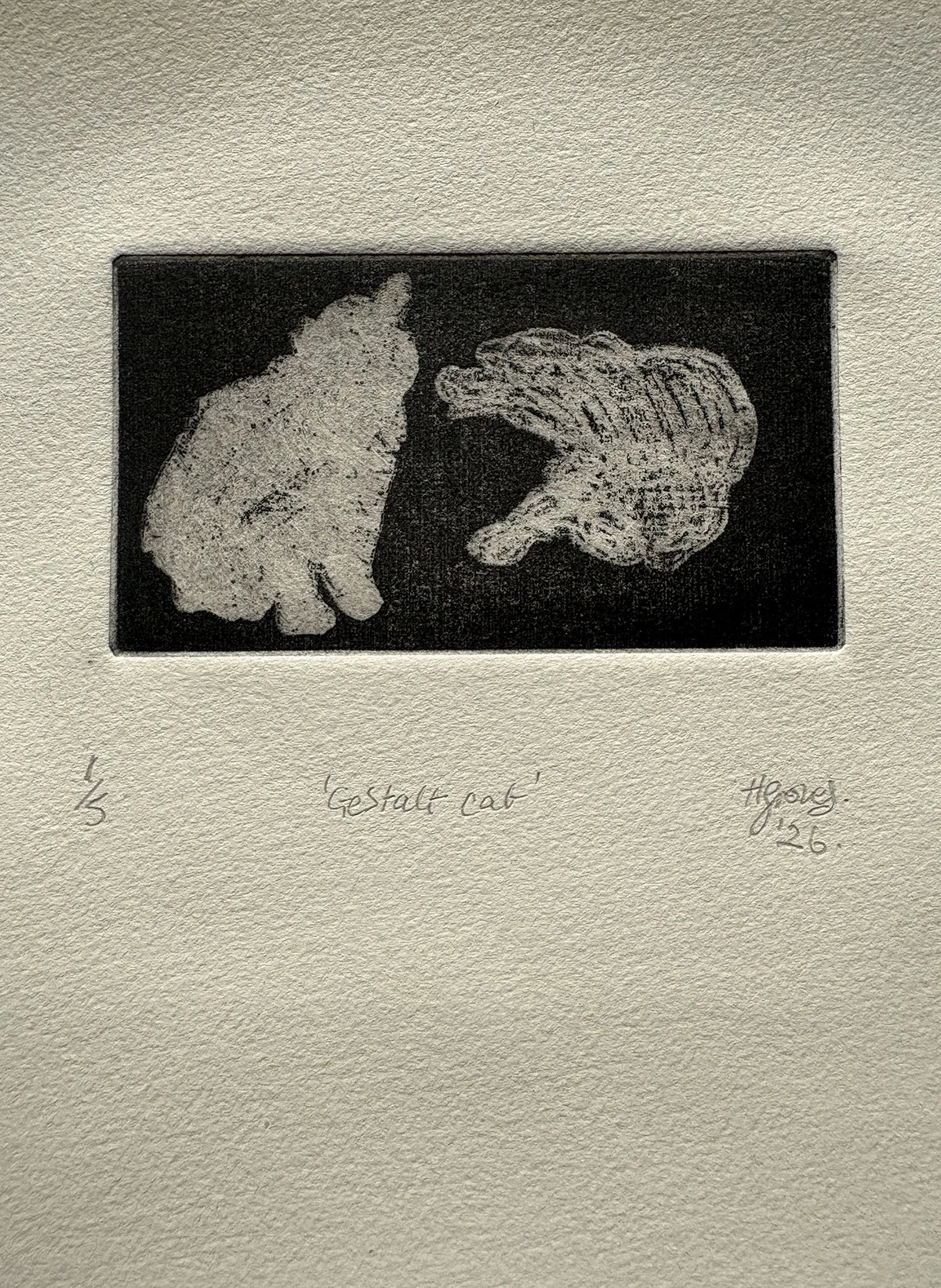
Gestalt cat. 2026, aquatint edition of 5 on Hahnemühle©

Take a seat, sorry my cat sits there. 2026, aquatint edition of 6 on Hahnemühle©
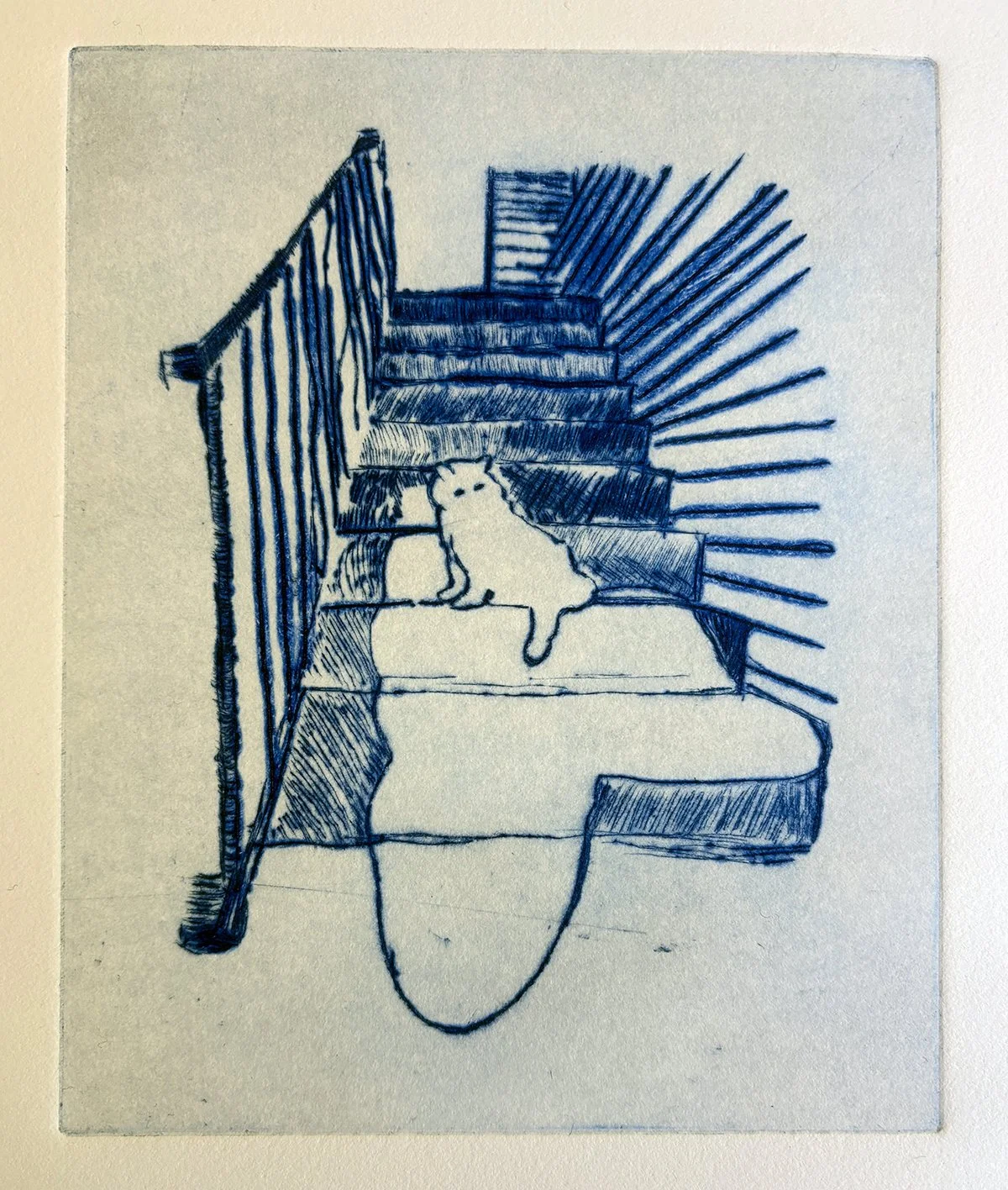
The cat below, 2025, edition of 6 Hahnemühle©
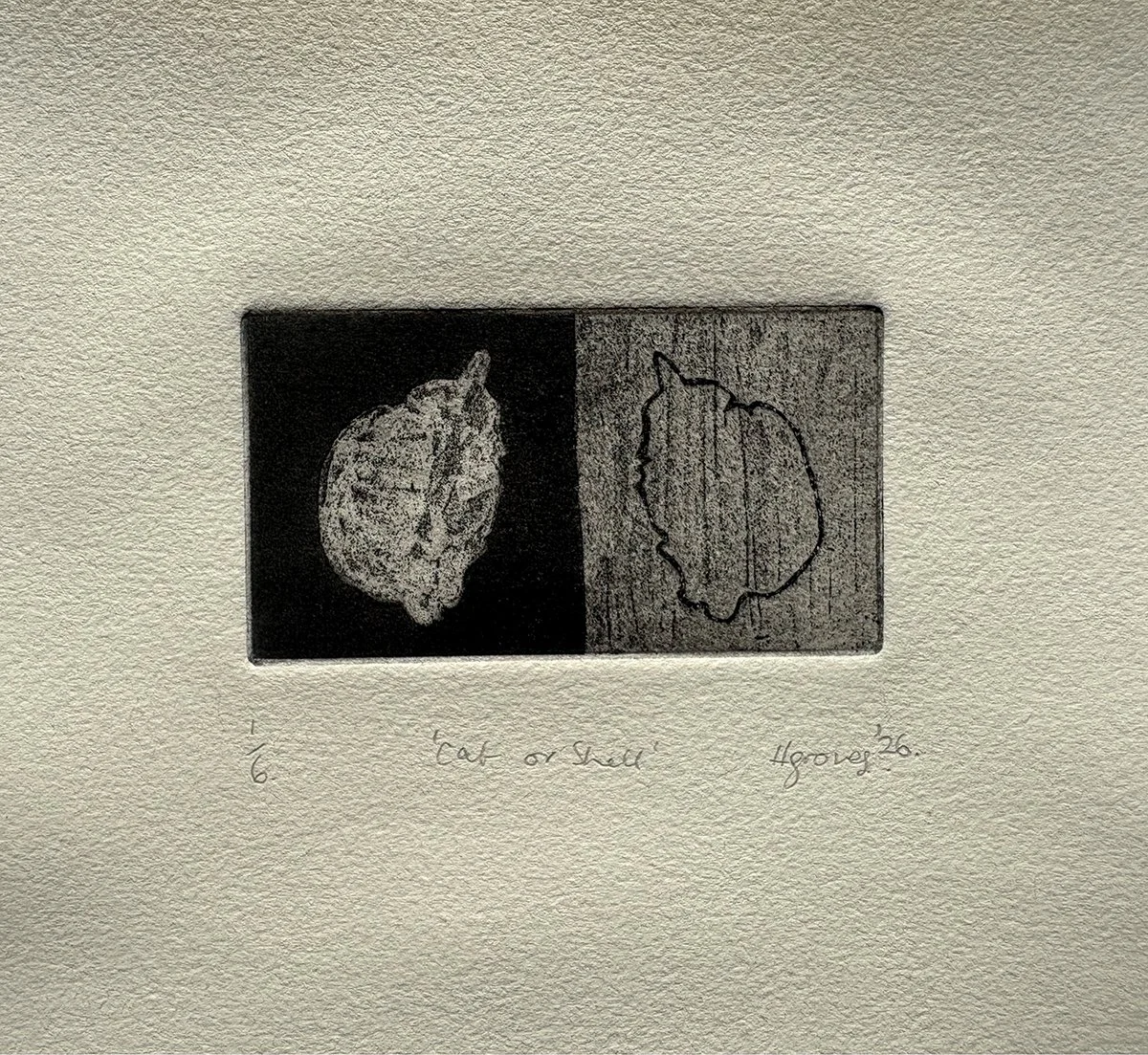
Cat or shell. 2026, aquatint edition of 6 on Hahnemühle©
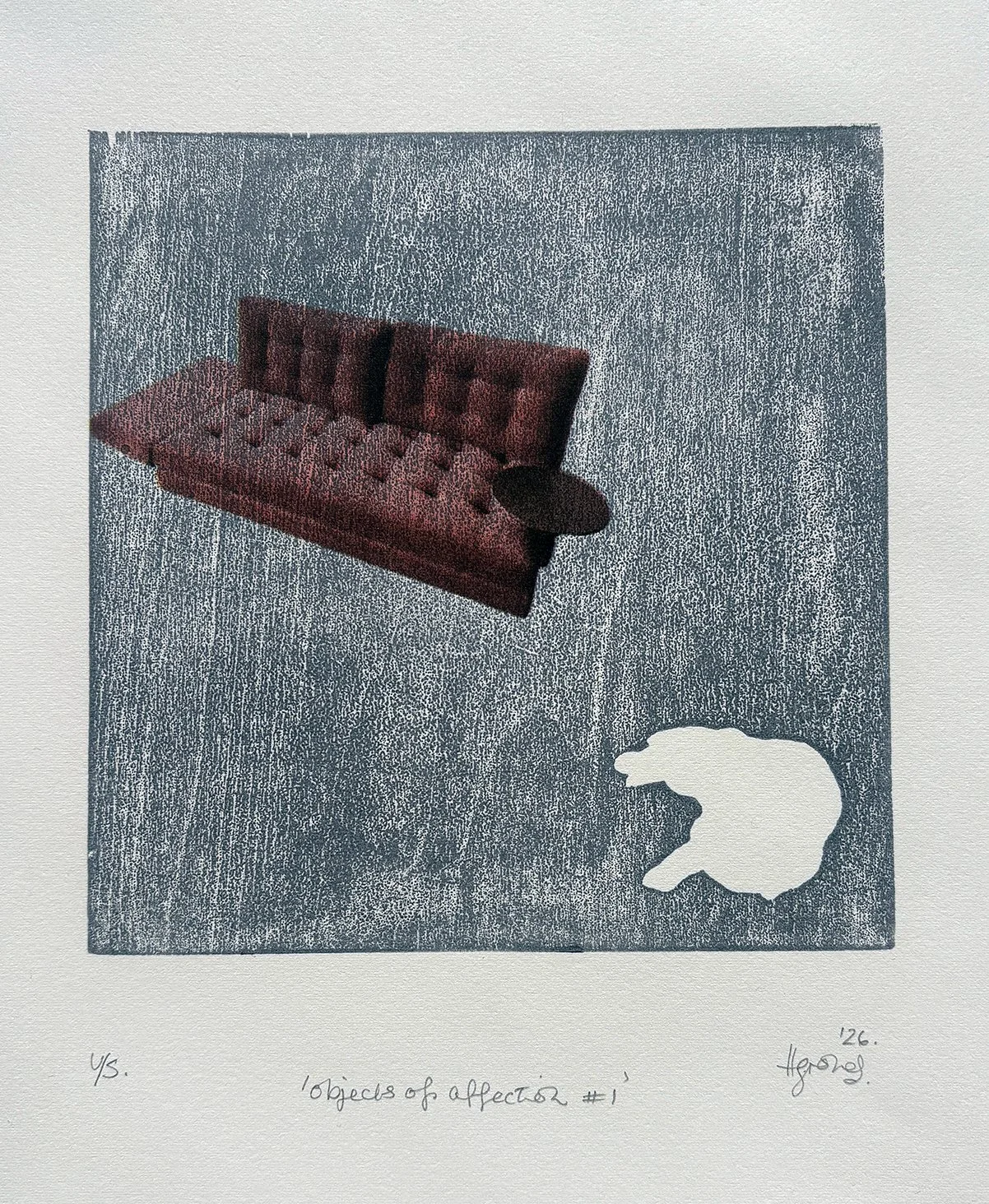
Objects of affection #1 2026, woodcut/image transfer unique state on Arches©
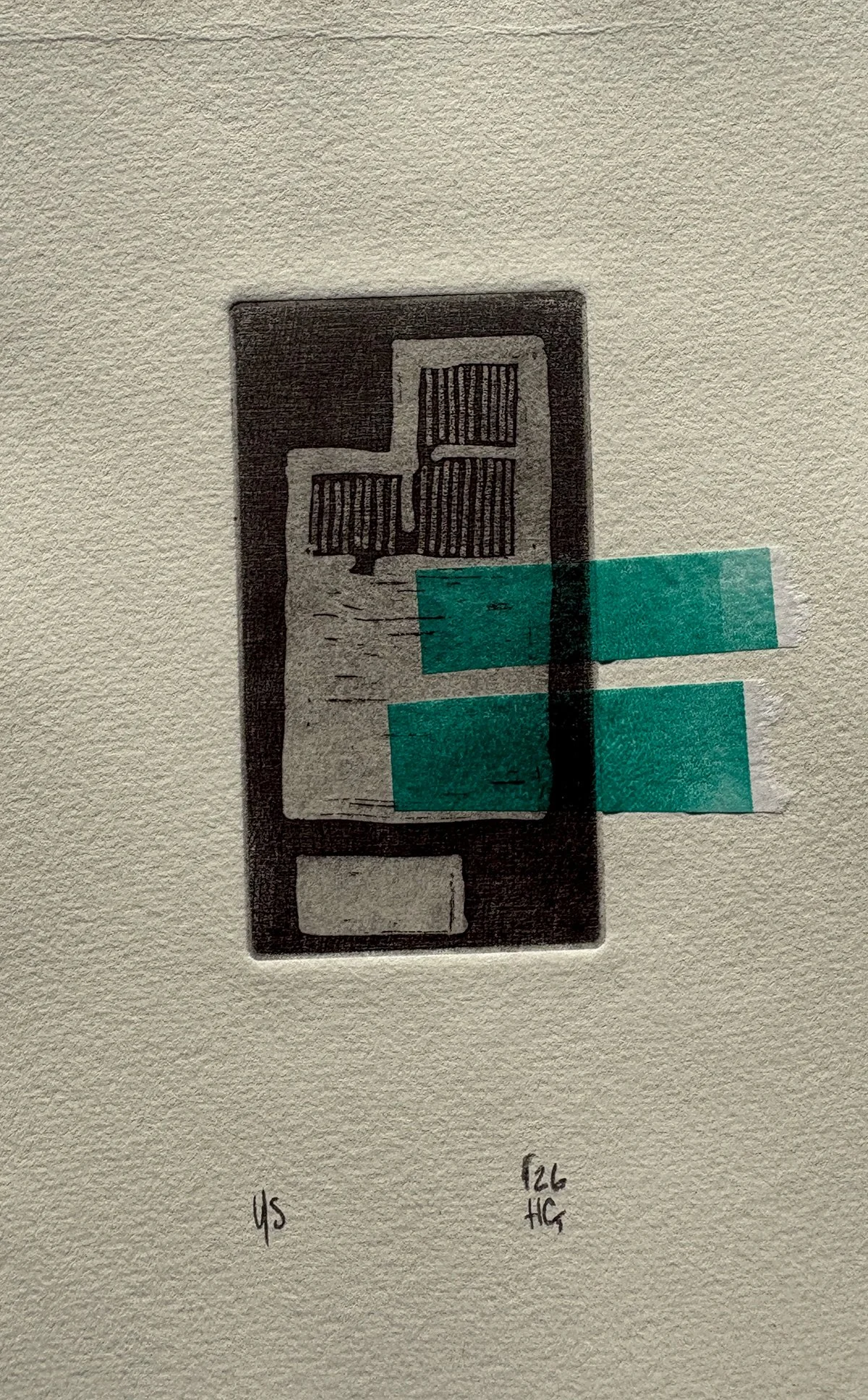
Untitled 5# 2026, aquatint/chine-collé unique state on Hahnemühle©
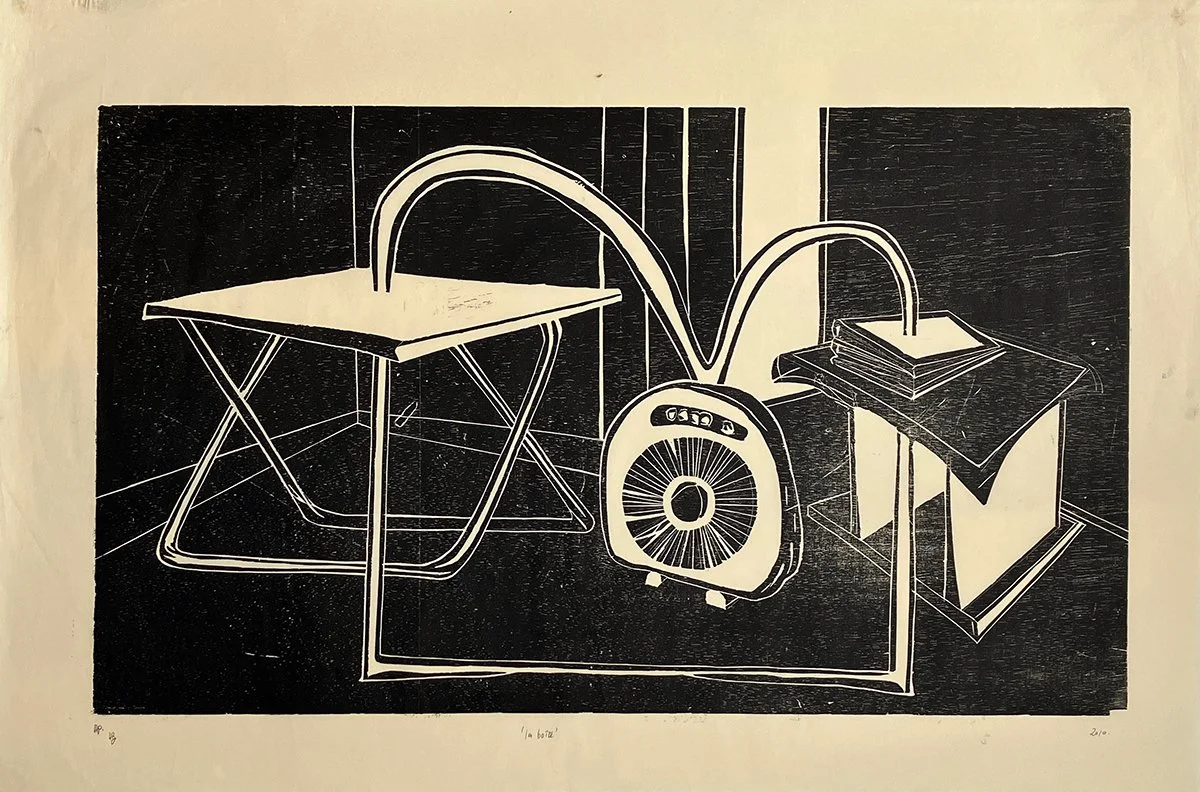
La boîte. 2010, woodcut varied edition of 9©
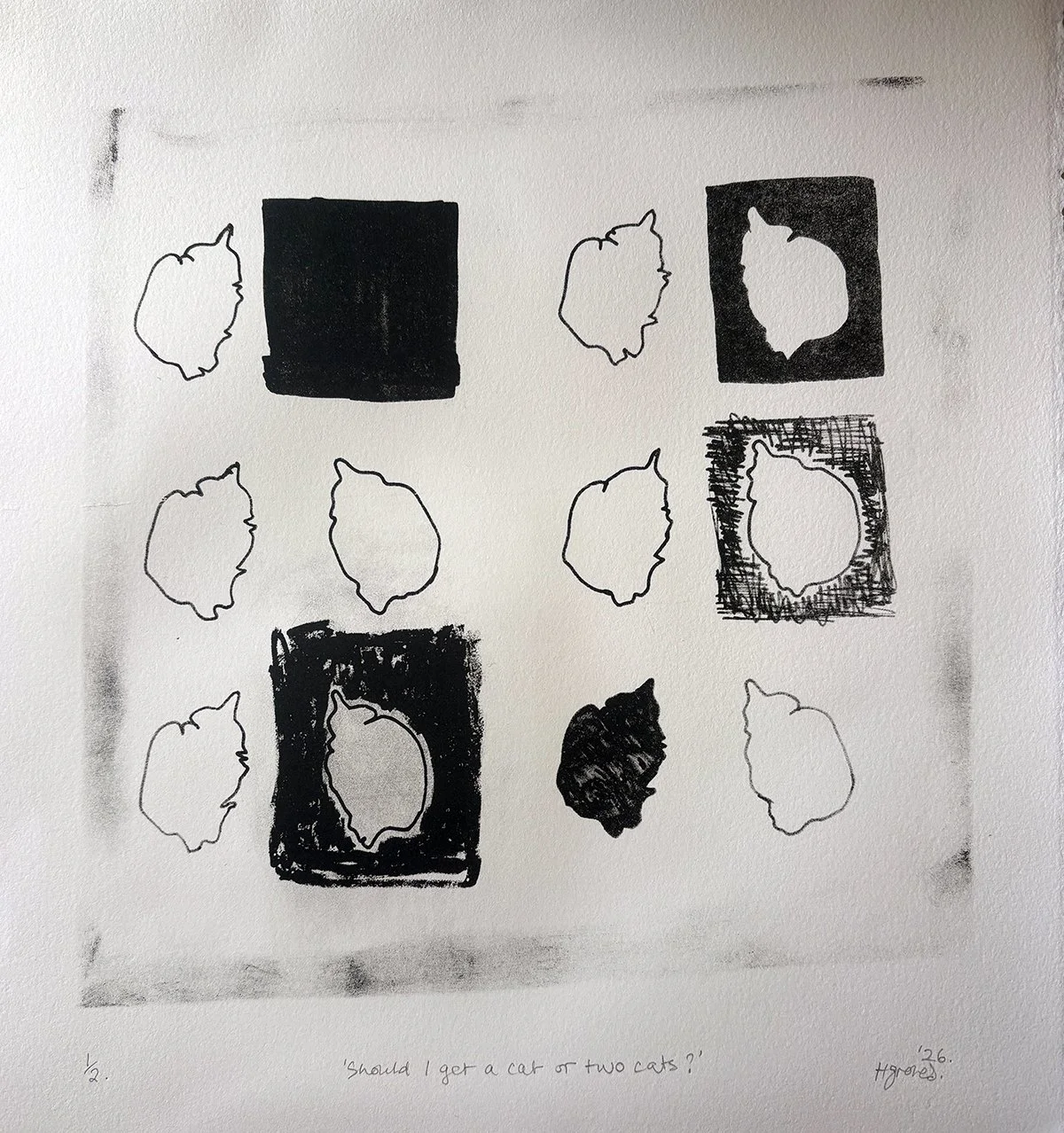
Should I get a cat or two cats? 2026, lithograph edition of 2 on BFK©
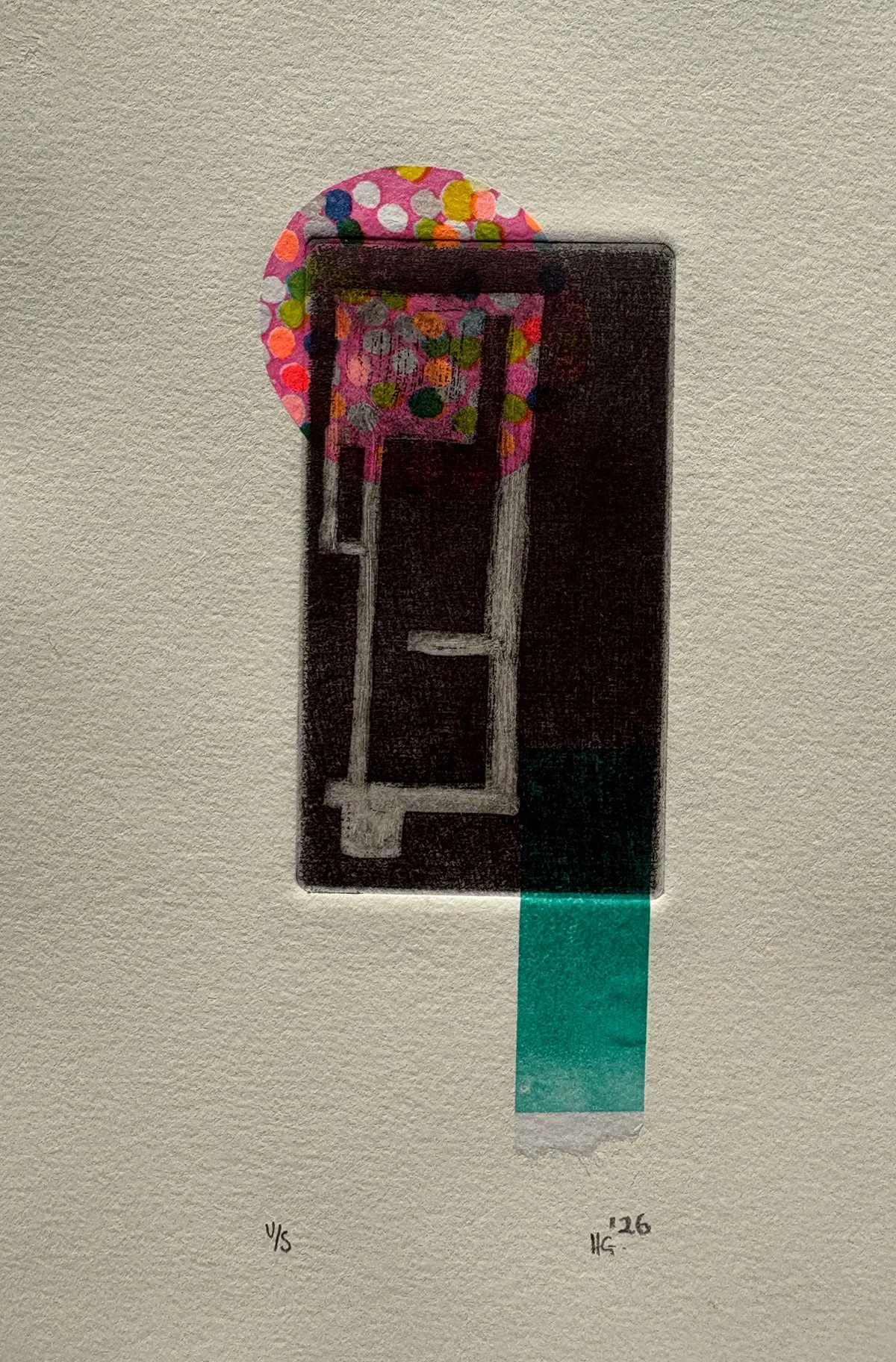
Untitled 4# 2026, aquatint/chine-collé unique state on Hahnemühle©
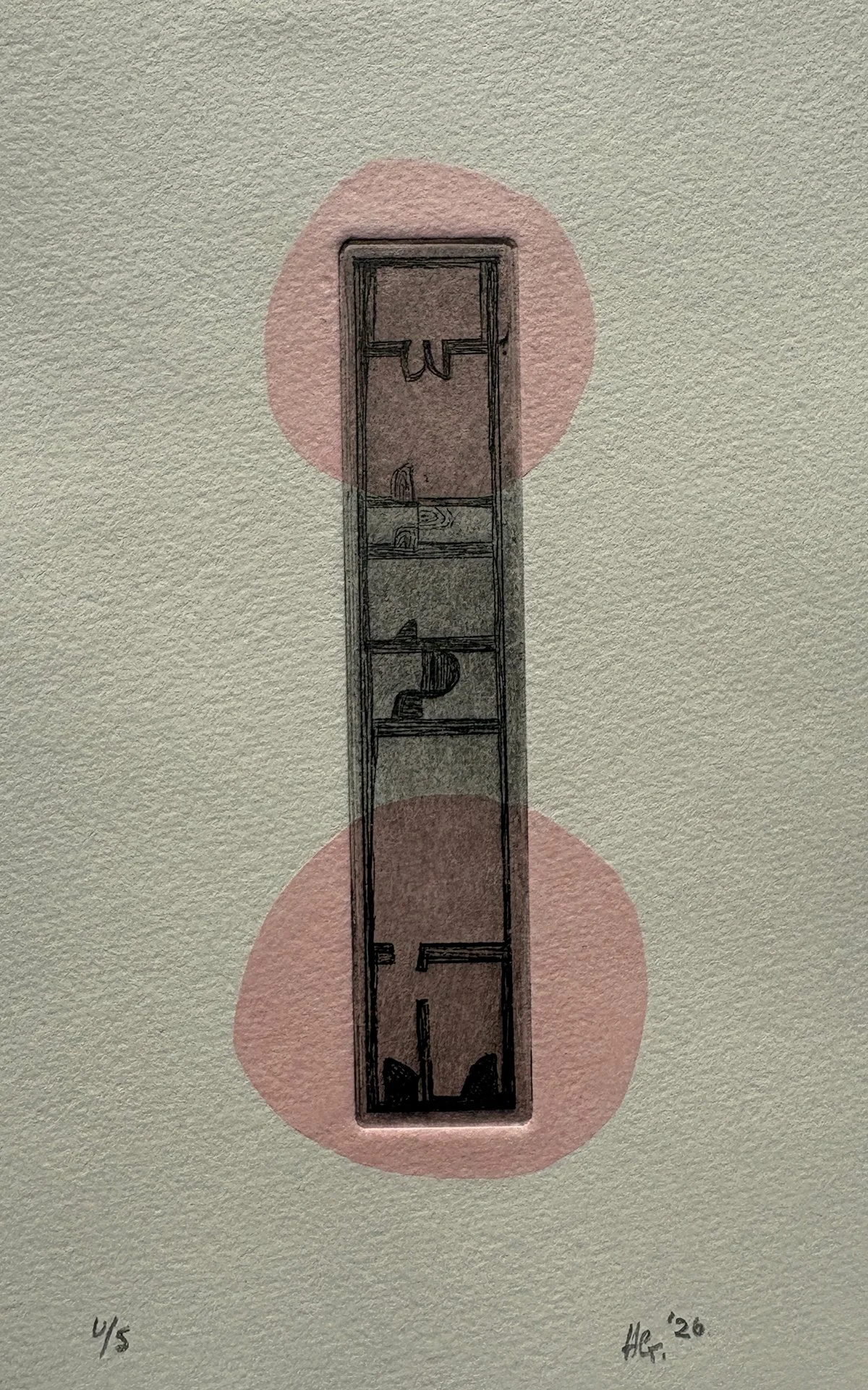
Untitled 3# 2026, etching/chine-collé unique state on Hahnemühle©
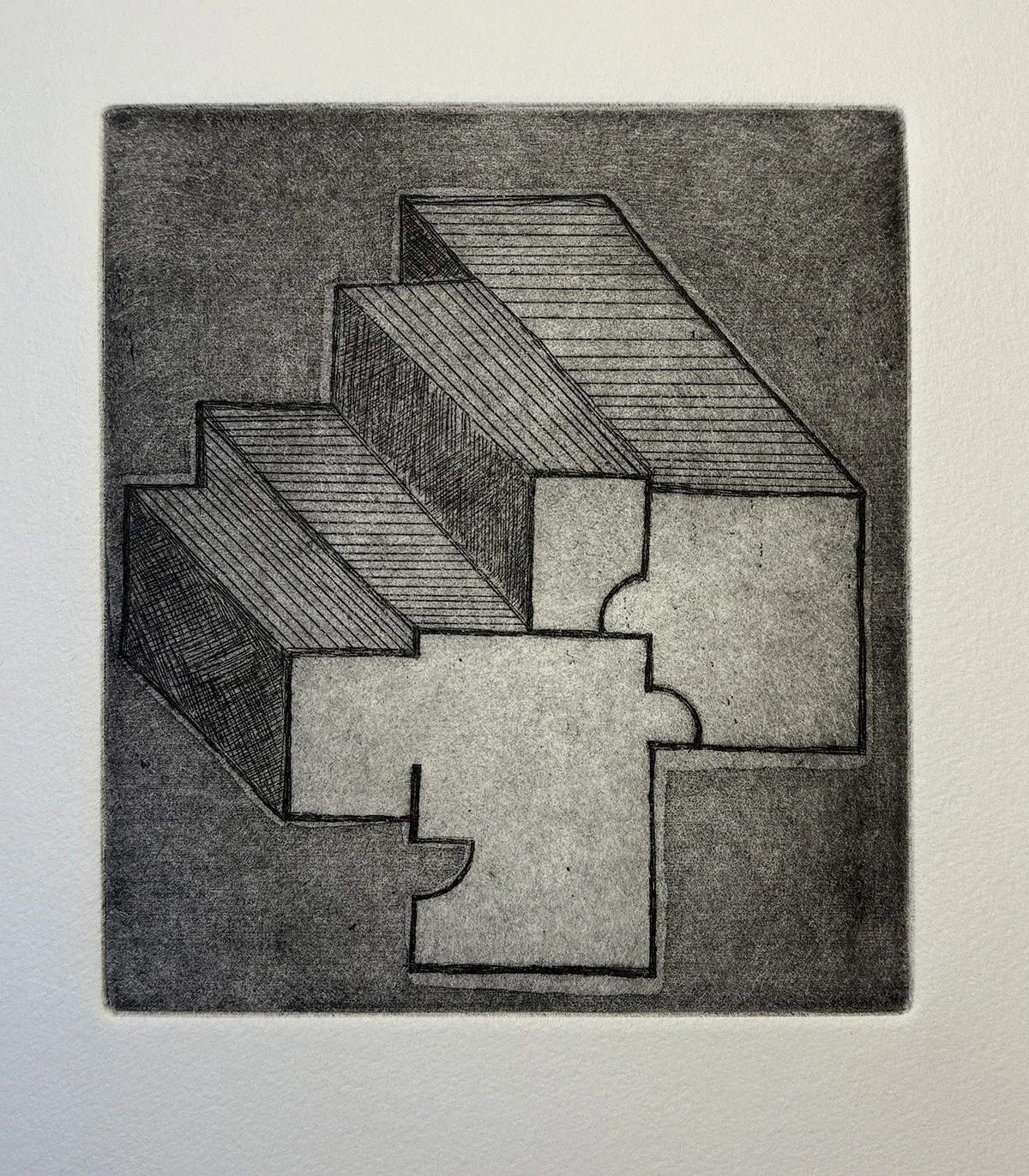
Site specific grief. 2026, aquatint edition of 2 on Hahnemühle©